10x This Book Belongs To KDP Interior: Strategic Asset Management for Low Content Publishers
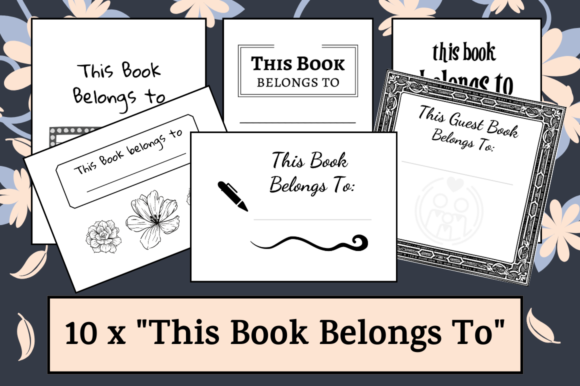
Success in the Amazon KDP low and no-content publishing sector is rarely the result of a single viral hit. Instead, it is built upon operational efficiency, asset versatility, and consistent quality control. The 10x This Book Belongs to KDP Interior pack represents more than just a collection of ownership pages; it is a foundational infrastructure component for publishers aiming to scale their catalog without compromising on professional standards. By providing ten distinct, pre-formatted designs across five critical trim sizes, this resource addresses the most common bottleneck in book production: the repetitive creation of front matter that must be both aesthetically pleasing and technically flawless.
For entrepreneurs and creators aged 20 to 50 who treat KDP as a serious business rather than a casual hobby, time allocation is a strategic decision. Every hour spent designing a simple "This Book Belongs To" page from scratch is an hour diverted from keyword research, niche analysis, or marketing strategy. Utilizing a tested, ready-for-printing pack allows you to redirect cognitive resources toward high-value activities while ensuring your books maintain a cohesive, professional appearance that builds reader trust and reduces negative reviews related to formatting errors.
Technical Precision and Format Versatility
The primary value proposition of this interior pack lies in its specific dimensional coverage. In the low-content space, trim size dictates utility. A guest book requires different proportions than a standard journal or a sketchbook. This pack eliminates the guesswork and technical risk associated with resizing templates, which often leads to margin errors or bleed issues during the KDP approval process. The inclusion of PDF and PNG formats ensures compatibility with various design workflows, whether you are assembling interiors in Canva, PowerPoint, Affinity Publisher, or Adobe InDesign.
The strategic distribution of sizes within the 10x This Book Belongs to KDP Interior collection supports a diversified portfolio approach:
- 6 x 9 Inches (3 Variations): This is the industry standard for trade paperbacks, personal journals, and logbooks. Having three distinct designs allows you to create series consistency or offer variation within a single niche without appearing repetitive.
- 8.5 x 8.5 Inches (1 Variation): A square format increasingly popular for children’s activity books, memory keepers, and specialized planners. This size commands a higher perceived value due to its unique footprint.
- 8.5 x 11 Inches (2 Variations): Essential for workbooks, academic logs, and large-format journals. The two variations provide flexibility for lined versus unlined interiors or gender-neutral versus themed aesthetics.
- 8.25 x 6 Inches (3 Variations): Specifically noted as ideal for guest books. This landscape-adjacent ratio feels substantial in hand and provides ample horizontal space for signatures and messages, distinguishing your guest book from generic notebook competitors.
- 8 x 10 Inches (1 Variation): A versatile middle-ground size often used for portfolios and art journals, bridging the gap between standard letter size and compact trade formats.
Each file has been formatted and tested for KDP specifications. This pre-validation is a critical risk mitigation strategy. Formatting errors are the leading cause of rejected manuscripts and delayed launches. By relying on assets that have already passed technical compliance checks, you streamline your upload workflow and protect your account health.
Strategic Application Across Niches
Owning the asset is only the first step; applying it intentionally determines its return on investment. Randomly inserting a "This Book Belongs To" page can feel disjointed if the typography or graphic style clashes with your cover or interior content. Strategic use involves matching the specific design variation to the psychological expectation of your target audience.
Brand Cohesion and Series Development
If you are building a brand around a specific niche—such as nursing shift logs, gardening journals, or gratitude diaries—consistency fosters recognition. Use the same variation of the 10x This Book Belongs to KDP Interior across all titles in a series. This creates a unified unboxing experience for customers who purchase multiple volumes. Conversely, if you operate a generalist publishing house covering disparate topics, utilize the different variations to signal genre shifts. A minimalist line-art design may suit a professional planner, while a bolder, illustrative option might better serve a creative writing prompt book.
Enhancing Perceived Value in Guest Books
The 8.25 x 6 inch pages included in this pack are strategically sized for guest books. In this category, the ownership/signature page is not merely functional; it is ceremonial. It sets the tone for the event or location where the book will reside. When selecting from the three available landscape options, consider the venue's aesthetic. A rustic cabin rental requires a different visual language than a modern wedding venue or a corporate conference. Choosing the appropriate design elevates the product from a simple paper commodity to a curated keepsake, directly influencing pricing power and review sentiment.
Operational Efficiency in High-Volume Publishing
For marketers and agencies managing large catalogs, standardization is key to scalability. Adopting this 10-piece pack as your exclusive front-matter library reduces decision fatigue. Instead of sourcing new assets for every launch, you establish a standardized operating procedure. This predictability accelerates production timelines and ensures that quality remains constant even as volume increases. It transforms front matter creation from a creative variable into a fixed operational constant.
Risk Mitigation and Intentional Implementation
While pre-made interiors offer significant advantages, they carry risks if used without context. The most common pitfall is the "generic trap," where a book looks indistinguishable from thousands of others because the creator relied solely on default assets without customization or thoughtful selection.
To avoid this, approach the 10x This Book Belongs to KDP Interior pack as a base layer rather than a final solution. Consider adding subtle custom elements that tie the page to your specific book. This could be as simple as adding a small icon relevant to the niche at the bottom of the page, adjusting the opacity to match your interior paper color, or pairing the ownership page with a complementary copyright or dedication page that uses similar typographic hierarchy. These micro-adjustments retain the technical safety of the pre-formatted file while injecting necessary uniqueness.
Additionally, always verify the current KDP margin and bleed requirements before publishing, even when using tested files. Platform specifications evolve. Treat this pack as a verified starting point, but maintain your own quality assurance checklist. Blind reliance on any third-party asset without a final manual review is a strategic vulnerability. Ensure the selected design leaves adequate safe zones for binding, especially for the thicker spines common in guest books and large-format journals.
Long-Term Business Value and Decision Making
In the lifecycle of a KDP business, assets should be evaluated based on their long-term utility and adaptability. The 10x This Book Belongs to KDP Interior pack scores highly on both metrics because it covers the fundamental trim sizes that dominate the market. Unlike trendy, seasonal interiors that expire after a few months, ownership pages are evergreen. They remain relevant regardless of algorithm changes or shifting design fads.
When deciding whether to integrate this pack into your workflow, consider your current pain points. If you are experiencing upload rejections due to margin errors, this pack offers an immediate technical fix. If your production speed is lagging because you are over-designing simple pages, it offers an efficiency gain. If your customer feedback mentions that books feel "cheap" or "unprofessional," upgrading to high-quality, properly proportioned front matter can directly improve user experience.
However, if your niche requires highly specific, custom-branded front matter to compete effectively—for example, licensed character books or ultra-luxury art journals—this pack may serve better as a placeholder during the drafting phase rather than the final production asset. Understanding when to use a standardized tool versus when to invest in bespoke design is a hallmark of mature publishing strategy.
Ultimately, this resource supports a lean business model. It reduces overhead, minimizes technical friction, and provides a professional foundation upon which niche-specific value can be built. For the pragmatic publisher, it is not just about saving time on a single page; it is about systematizing quality to support sustainable growth in a competitive marketplace. By integrating these ten tested variations into your production ecosystem, you secure a reliable baseline that allows your creativity and strategic focus to flourish where they matter most: in identifying underserved niches and delivering exceptional value to your readers.