Unicorn Gratitude Journal KDP Interior Design
Elevating a low-content publishing business requires more than just a whimsical concept; it demands professional-grade layout architecture and versatile file management. For creators focusing on the children’s mindfulness niche, the Unicorn Gratitude Journal - KDP Interior offers a sophisticated foundation that balances playful aesthetics with rigorous print production standards. This resource is not merely a collection of pages but a comprehensive design system tailored for modern editorial workflows, ensuring that your final product stands out through superior visual hierarchy and technical precision.
Technical Versatility in Print Design
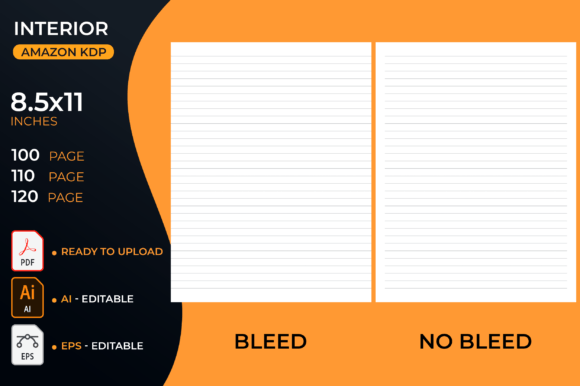
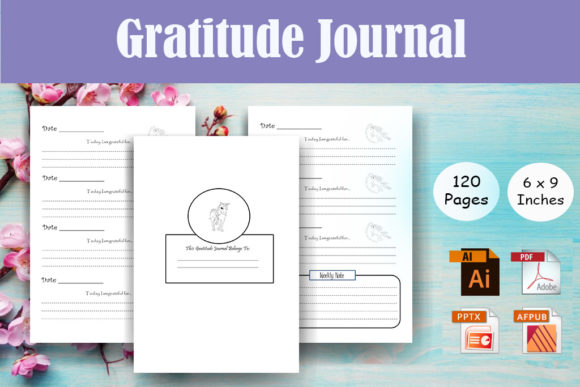
From a graphic design perspective, the true value of this asset lies in its multi-format accessibility. Professional designers understand that a single PDF output is rarely sufficient for a scalable brand identity or long-term product line. This interior package addresses that limitation by providing four distinct file types, each serving a specific function in the creative workflow:
- PDF Files: Pre-flattened and tested specifically for KDP upload, ensuring zero margin errors or bleed issues during the printing process.
- AI Files: Vector-based Adobe Illustrator sources that allow for infinite scalability and precise manipulation of graphical elements without quality loss.
- AFPUB Files: Editable Affinity Publisher documents ideal for designers who prefer non-subscription software while maintaining professional typesetting controls.
- PPTX Files: Fully editable PowerPoint templates that lower the barrier to entry for marketers or business owners who need to make quick text adjustments without specialized design training.
This flexibility ensures that whether you are refining typography, adjusting color palettes, or restructuring the visual flow, the asset adapts to your preferred software environment rather than forcing a rigid workflow.
Visual Hierarchy and Editorial Layout
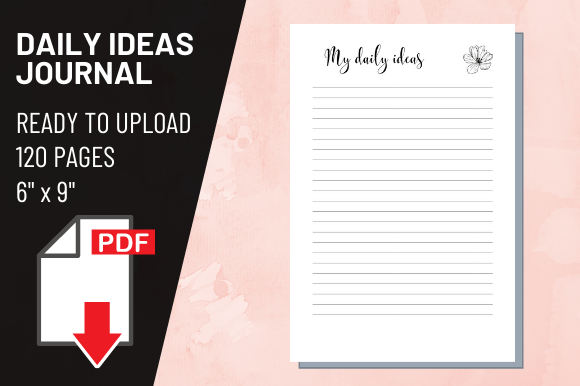
Effective editorial design relies heavily on guiding the user’s eye through structured content. With 120 pages of high-resolution interiors in a standard 6×9 trim size, this journal utilizes established grid systems to maintain consistency. The unicorn theme is integrated as a cohesive visual motif rather than disjointed clip art, creating a unified brand experience. For designers, this demonstrates how to balance negative space with illustrative elements, ensuring that prompts remain readable and engaging for young users. The typography choices prioritize legibility and emotional tone, which are critical factors in user experience (UX) design for printed interactive media.
Applications Beyond Publishing
While primarily designed for Amazon KDP, the underlying design assets possess significant utility across broader creative projects. The modular nature of the AI and AFPUB files allows designers to extract individual elements for various applications:
- Social Media Graphics: Repurpose interior illustrations and prompt layouts for Instagram carousels or Pinterest pins to drive traffic to your listing.
- Merchandise and Packaging: Utilize the vector assets for stickers, bookmarks, or branded packaging inserts that reinforce brand identity.
- Digital Products: Adapt the gratitude prompts into printable worksheets or digital planner stickers for platforms like Etsy.
- Marketing Materials: Create consistent advertising banners or email newsletter headers using the same color palette and typographic style found in the journal.
By treating the Unicorn Gratitude Journal - KDP Interior as a modular design kit rather than a static book, creators can maximize their return on investment while maintaining visual consistency across all touchpoints.
Evaluating Quality and Usability
When selecting creative assets for commercial use, designers must evaluate technical integrity alongside aesthetic appeal. High-resolution sourcing is non-negotiable in print design to prevent pixelation or banding in gradients. Furthermore, the inclusion of tested files mitigates the risk of rejection from print-on-demand platforms, saving valuable time in the quality assurance phase. A well-structured interior also considers the physical interaction of the user; adequate margins for binding and appropriate line weights for coloring are subtle details that distinguish professional products from amateur attempts.
Ultimately, successful low-content publishing is an exercise in functional design. By leveraging professionally structured resources, creators can focus on marketing and audience connection rather than troubleshooting formatting errors. Thoughtful selection of editable, high-quality assets not only streamlines the production process but also elevates the perceived value of the final product, fostering trust and engagement with your target audience.