Developing a Unique KDP - Cool Tattoo Artist Sketch Book for Low Content Publishing
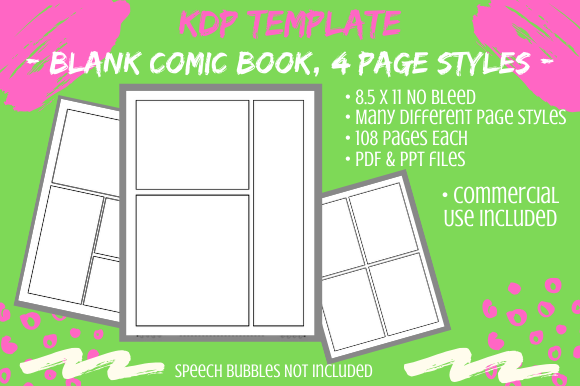
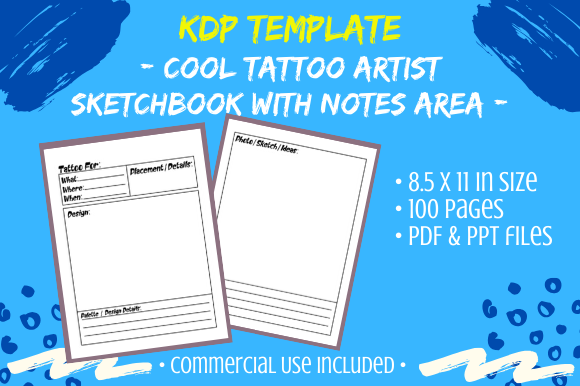
The low-content publishing market on Amazon has evolved significantly, moving beyond simple lined journals to highly specialized niche products. Among these, the KDP - Cool Tattoo Artist Sketch Book represents a specific intersection of artistic utility and digital asset management. For creators looking to enter this space, understanding the technical specifications, customization requirements, and strategic differentiation of such templates is essential for long-term viability. This resource typically arrives as a digital download containing both PDF and editable PPT files, designed specifically for the 8.5 x 11 inch trim size with no-bleed formatting. Success in this niche depends less on the initial download and more on the transformative work applied to the template before publication.
Technical Specifications and File Management
Before engaging with the creative aspects of the sketchbook, one must master the technical foundation. The standard configuration for this tattoo artist interior is 8.5 x 11 inches, which aligns with the most popular trim size for art books and portfolios on Amazon KDP. Crucially, this template is formatted as no-bleed. In printing terminology, no-bleed means that all content, including borders, clip art, and text, must remain within the safe zone, typically 0.375 inches from the edge of the page. This differs from full-bleed designs where images extend to the paper's edge. Understanding this constraint prevents rejection during the KDP proofing process and ensures that critical design elements are not trimmed off during manufacturing.
The package includes two distinct file types: a ready-to-use PDF and an editable PowerPoint (PPT) file. While the PDF serves as a reference or a quick upload option, relying solely on it is a strategic error. The PPT file is the primary workspace for customization. Because PowerPoint is vector-friendly and layer-based, it allows for granular control over every element on the page. Professional publishers recommend immediately creating a duplicate copy of the original master file upon download. This preserves the pristine source material for future projects or recovery while allowing unrestricted experimentation on the working copy. Maintaining this digital hygiene prevents accidental corruption of the base asset and streamlines the workflow for creating multiple variations.
Leveraging PLR and CC0 Assets Responsibly
A significant value proposition of this sketchbook interior is the inclusion of PLR (Private Label Rights) and CC0 (Creative Commons Zero) clip art. These assets provide a foundational library of tattoo-relevant imagery, such as traditional roses, daggers, skulls, and geometric patterns, without immediate copyright concerns. However, the presence of these assets introduces a responsibility for the publisher. CC0 implies public domain status, meaning anyone can use them, but it does not grant exclusivity. If a publisher uploads a book using these assets exactly as provided, they risk creating a product indistinguishable from dozens of others.
Effective utilization involves treating these assets as raw materials rather than finished products. Editors should modify colors, combine multiple elements to create new compositions, adjust opacity, or apply filters to create a unique visual signature. Furthermore, while the included clip art is cleared for commercial use, best practices dictate verifying the license terms independently. Building a proprietary asset library by mixing the included PLR content with original drawings or purchased exclusive licenses creates a defensive moat around the intellectual property, reducing the likelihood of account warnings related to duplicate content.
Strategic Customization to Avoid Duplicate Content Penalties
Amazon’s algorithm actively identifies and suppresses repetitive content. A common pitfall for new KDP publishers is purchasing a template like the KDP - Cool Tattoo Artist Sketch Book and uploading it with minimal changes. To maintain account health and ensure discoverability, the template must be made unique. This goes beyond simply changing the cover; the interior itself requires structural and aesthetic modification.
- Page Reordering: Altering the sequence of pages disrupts the digital fingerprint of the book. If the original template follows a pattern of "quote-coloring-blank," consider shifting to "blank-coloring-quote" or introducing new section breaks.
- Content Addition and Deletion: The standard 100-page count is a suggestion, not a rule. Removing generic pages and adding niche-specific content, such as stencil transfer guides, skin tone shading charts, or aftercare checklists, adds genuine value and differentiates the product.
- Typography Updates: Changing fonts, header styles, and page titles signals to the algorithm that this is a distinct edition. Custom typography also helps align the book with specific sub-niches, such as "Old School Traditional" versus "Modern Fine Line."
- Interactive Elements: Transforming passive coloring pages into active design worksheets encourages user engagement. Adding prompts like "Design a sleeve based on this motif" converts a static image into an educational tool.
This level of customization serves a dual purpose: it satisfies platform requirements for uniqueness and enhances the user experience for the tattoo artist or enthusiast who purchases the book. A highly modified interior demonstrates expertise and effort, traits that are increasingly rewarded by both search algorithms and consumer reviews.
Understanding the Target Audience and Use Cases
To customize effectively, one must understand who actually uses a tattoo artist sketchbook. The audience extends beyond professional tattooers to include apprentices, hobbyists, art students, and clients seeking inspiration. Each segment has different needs that a generic template may not address. Professionals often require high-quality paper stock references and uncluttered spaces for portfolio documentation. Apprentices benefit from guided practice sheets and anatomy overlays. Hobbyists and enthusiasts may prefer intricate coloring pages and inspirational quotes.
By analyzing these personas, publishers can tailor the KDP - Cool Tattoo Artist Sketch Book to solve specific problems. For example, an apprentice-focused version might include sections for tracking needle groupings and voltage settings alongside sketch space. A client-facing idea book might focus heavily on style categorization and placement guides. This segmentation strategy moves the product away from the saturated "general tattoo coloring book" category and into specialized micro-niches where competition is lower and conversion rates are higher. Real-world relevance is achieved when the book functions as a tool rather than merely a collection of images.
Workflow Optimization for Digital Product Creation
Efficiency in low-content publishing comes from establishing a repeatable yet flexible workflow. When working with the editable PPT files, setting up master slides is crucial. Master slides allow for global changes across multiple pages, such as updating margins, logos, or footer information, without editing each page individually. This ensures consistency throughout the 100-page interior and reduces the margin for error.
Additionally, organizing assets within the PowerPoint environment improves production speed. Creating dedicated slides or hidden layers for frequently used elements—such as border frames, branding watermarks, or recurring motifs—allows for rapid assembly of new pages. Publishers should also establish a pre-flight checklist before exporting the final PDF. This checklist should verify margin safety, image resolution (minimum 300 DPI for print), color profile (CMYK for best print results, though RGB is accepted), and font embedding. Catching technical errors at the file stage prevents costly re-uploads and delays in the approval process.
Ethical Considerations and Long-Term Viability
The ease of accessing PLR and CC0 content brings ethical considerations regarding artistic integrity. The tattoo community places high value on originality and respect for artistic lineage. Publishing a sketchbook that inadvertently appropriates culturally significant symbols or misrepresents traditional styles can lead to backlash. Publishers should invest time in researching the cultural context of the imagery included in the template. Providing accurate descriptions and respectful categorization demonstrates cultural competence and builds trust with the audience.
Furthermore, sustainability in KDP requires viewing these templates as starting points for brand building rather than one-off cash grabs. Consistently delivering high-quality, modified interiors establishes a publisher imprint as a reliable source for tattoo education and inspiration. Over time, this reputation compounds, leading to organic sales and reduced reliance on paid advertising. The KDP - Cool Tattoo Artist Sketch Book is ultimately a vehicle for demonstrating value; the extent to which a publisher invests in making it their own directly correlates to the longevity and success of their publishing business. By focusing on practical utility, technical precision, and respectful customization, creators can navigate the complexities of low-content publishing while serving the genuine needs of the tattoo art community.