Evaluating Portrait Coloring Pages for Mindfulness and Creative Projects
Portrait coloring pages occupy a unique niche within the broader category of adult coloring resources. Unlike traditional mandalas, geometric tessellations, or scenic landscapes, portrait-based designs focus on the human form, facial features, and expressive aesthetics. This distinction is significant for adults seeking a specific type of meditative engagement or content creators looking to develop low-content books with a cohesive theme. When evaluating resources in this category, it is essential to understand how portrait styles differ from other genres in terms of psychological impact, artistic complexity, and technical utility.
For individuals aged 20 to 50 exploring mindfulness practices or digital product creation, the decision often comes down to balancing aesthetic appeal with practical functionality. Portrait coloring pages offer a distinct alternative to abstract patterns by providing an emotional anchor. However, they also present different challenges regarding shading, color theory, and printing requirements. Understanding these tradeoffs helps determine whether this specific style aligns with your current goals for relaxation, artistic development, or commercial publishing.
Distinguishing Characteristics of Portrait-Based Designs
The primary differentiator of portrait coloring pages is their subject matter. While floral and geometric designs allow for repetitive, almost automatic coloring that can induce a trance-like state, portraits require a more active cognitive engagement. The colorist must consider skin tones, hair texture, lighting sources, and emotional expression. This makes portrait pages less about "zoning out" and more about "tuning in" to human nuance. For many adults, this shift provides a deeper sense of connection and empathy during the coloring process, which can be more effective for certain types of emotional processing than abstract repetition.
From a design perspective, portrait patterns often integrate decorative elements directly into the figure. Hair may flow into vines, clothing may feature intricate lacework, and backgrounds may merge with the silhouette. This hybrid approach bridges the gap between figurative art and pattern coloring. It offers the structural satisfaction of filling defined spaces while retaining the organic beauty of portraiture. When comparing options, look for designs where these integrations feel natural rather than forced, as poor integration can make the image feel disjointed and difficult to color harmoniously.
Comparing Formats: Digital Downloads vs. Physical Books
A critical decision factor for both hobbyists and publishers is the format of the source material. Pre-bound coloring books offer convenience but limit flexibility. You cannot easily test paper compatibility, and you are restricted to the publisher’s chosen paper weight and size. In contrast, downloadable portrait coloring pages provide significant advantages for evaluation and customization.
- Paper Selection: Printing at home allows you to choose paper that matches your medium. Watercolor users can select heavy cotton paper, while colored pencil artists might prefer smooth bristol. This control is impossible with standard mass-market books.
- Error Tolerance: With digital files, you can reprint a page if you make a mistake or want to try a different color palette. This reduces the performance anxiety often associated with expensive physical books.
- Commercial Versatility: For KDP creators, owning high-resolution source files is mandatory. You cannot legally use images from a purchased physical book in your own publications. Downloadable packs with commercial licensing bridge this gap.
However, digital formats require access to a quality printer and an understanding of file management. If you lack printing infrastructure or prefer the tactile experience of a bound spine, physical books remain the superior choice for personal use. For professional projects, digital assets are non-negotiable.
Technical Specifications and Quality Assessment
When evaluating any digital art asset, technical specifications dictate usability. Resolution is the most common failure point for low-quality coloring pages. Standard web images (72 dpi) appear pixelated when printed, resulting in jagged lines that ruin the coloring experience. Professional-grade portrait coloring pages should always be 300 dpi (dots per inch). This resolution ensures crisp line work even when scaled, which is particularly important for capturing fine details in eyelashes, jewelry, or fabric textures inherent to portrait art.
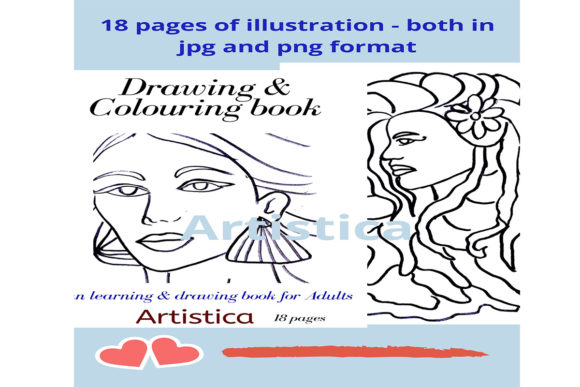
File format diversity also matters. A comprehensive resource pack typically includes both PNG and JPG formats. While JPGs are universally compatible and have smaller file sizes, they use lossy compression that can sometimes introduce artifacts near high-contrast lines. PNG files are lossless and support transparency, making them ideal for layering in digital coloring apps like Procreate or Photoshop, or for placing onto custom backgrounds for KDP interiors. Having access to 18 PNG and 18 JPG files, as found in specialized collections, provides the flexibility to choose the right format for each specific application without needing to convert files yourself.
Evaluating Suitability for KDP and Low Content Books
For creators researching resources for Amazon KDP or similar platforms, portrait coloring pages offer a strong thematic hook. Niche specificity drives sales in the low-content market, and "portrait" or "fashion illustration" niches often have less saturation than generic mandalas. However, not all portrait assets are suitable for publication.
You must verify licensing terms rigorously. Many free or low-cost portrait images are licensed for personal use only. Using them in a commercial product can lead to account suspension or legal issues. Dedicated commercial-use packs explicitly grant rights for inclusion in derivative works. Additionally, consider the interior layout. Portrait orientations vary; some are vertical busts, others are horizontal scenes. Ensure the aspect ratio of the files (typically designed for 8.5x11 or A4) matches your intended trim size to avoid awkward cropping or excessive white space.
Another consideration for KDP is ink coverage. Portraits with heavy black backgrounds or dense stippling can cause bleed-through on Amazon’s standard 55# paper. When selecting portrait pages for publication, prioritize designs with balanced positive and negative space. This not only improves the user experience on standard paper but also creates a more elegant, professional-looking interior compared to overly dense alternatives.
Mindfulness Benefits: Portraits vs. Abstract Patterns
Research into art therapy suggests that different imagery triggers different neurological responses. Abstract patterns engage the brain's pattern-recognition systems and promote rhythmic, soothing motor activity. This is excellent for acute stress reduction. Portrait coloring pages, conversely, engage the fusiform face area and social cognition networks. Coloring a face involves interpreting emotion and identity, even in stylized forms.
This makes portrait pages particularly valuable for adults working through interpersonal reflection, self-image exploration, or narrative journaling. If your goal is purely to quiet mental chatter after a high-stress day, abstract geometry may be faster acting. If your goal is reflective meditation, creative inspiration, or connecting with human themes, portrait pages offer a richer substrate. Many experienced colorists maintain a rotation of both styles, using abstracts for maintenance and portraits for deeper sessions.
Tradeoffs and Limitations to Consider
While portrait coloring pages offer distinct benefits, they are not universally superior. Recognizing their limitations helps set realistic expectations:
- Skill Intimidation: Beginners accustomed to filling shapes may find portraits daunting. Skin tones and shading require more technique than flat-color pattern filling. Resources that include varied complexity levels help mitigate this barrier.
- Cultural Specificity: Portraits inherently carry cultural markers. Unlike universal geometric shapes, portraits may resonate differently across demographics. For commercial creators, this means curating diverse representation or choosing stylized/fantasy portraits that transcend specific real-world identities.
- Print Sensitivity: Fine facial details demand higher print quality than bold geometric lines. Home printers with low toner or misaligned heads will show flaws more readily on portraits. Regular maintenance of printing equipment is more critical with this genre.
Making an Informed Selection
Choosing the right portrait coloring resource requires matching specifications to your primary use case. For personal mindfulness practice, prioritize variety and emotional resonance over technical specs. A mix of close-ups, full figures, and stylized faces keeps engagement fresh. For digital coloring enthusiasts, ensure PNG availability and clean line extraction. For KDP and commercial projects, 300 dpi resolution, commercial licensing, and format flexibility (JPG/PNG dual delivery) are baseline requirements.
Ultimately, portrait coloring pages represent a sophisticated intersection of art therapy and creative production. They demand slightly more from the user than abstract alternatives but reward that investment with greater emotional depth and thematic versatility. Whether you are building a meditation practice, developing a publishing portfolio, or simply seeking a more human-centered creative outlet, evaluating resources through the lens of technical quality, licensing clarity, and psychological fit will lead to more satisfying outcomes than choosing based on aesthetics alone.