Mandala KDP Interior: Strategic Selection for Sustainable Coloring Book Sales
The coloring book market on Amazon KDP has matured significantly, moving past the era where simply uploading generic designs guaranteed sales. For creators looking to build a sustainable income stream, the Mandala KDP Interior remains one of the most viable entry points, but only when approached with strategic precision. Mandalas offer a unique advantage because they appeal to a broad demographic seeking stress relief and mindfulness, yet the sheer volume of existing titles means that success now depends entirely on specificity and quality rather than quantity.
Many entrepreneurs mistakenly believe that any circular geometric pattern qualifies as a sellable mandala. This misconception leads to saturated listings and poor conversion rates. A true Mandala KDP Interior is not just a collection of lines; it is a curated experience designed for a specific user intent. Whether targeting beginners who need thicker lines or advanced colorists seeking intricate challenges, understanding the nuance of this niche is what separates profitable books from digital clutter.
The Trap of Generic Saturation and Sub-Niche Neglect
The most frequent error new publishers make is targeting the broad keyword "mandala coloring book" without drilling down into actionable sub-niches. While the general term has massive search volume, it also carries insurmountable competition. Relying solely on broad terms is a strategy destined for invisibility. Instead, successful creators identify specific intersections of interest that serve underserved audiences.
Consider the difference between a generic floral mandala and a "boho desert plant mandala for teens." The latter targets a specific aesthetic and demographic, drastically reducing competition while increasing relevance. When evaluating a potential Mandala KDP Interior, you must validate that the sub-niche has actual demand. Tools like Amazon search suggestions or dedicated KDP research software can reveal gaps where customers are searching but finding few high-quality options. Ignoring this validation step often results in creating beautiful interiors that no one is actively looking to buy.
Overlooking Technical Specifications for the 8.5×11 Format
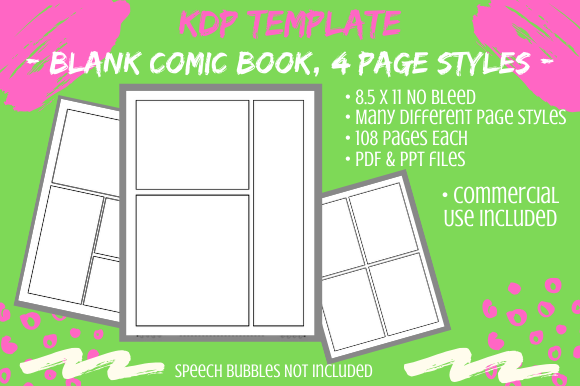
Size matters immensely in the coloring book space, and the industry standard 8.5×11 inch trim size requires specific technical attention. A common mistake is using interior files that do not account for proper bleed and safe zones. If your mandala designs extend too close to the gutter (the inner margin where pages bind), the coloring experience becomes frustrating. Users cannot comfortably color near the spine, leading to negative reviews that tank your book’s ranking.
For an 8.5×11 Mandala KDP Interior, always maintain a safe zone of at least 0.375 inches on the binding side and 0.25 inches on the outer edges. Furthermore, ensure your resolution is set to 300 DPI before exporting. Upscaling low-resolution images to fit this page size results in pixelation and jagged lines, which are immediate deal-breakers for adult colorists. Always preview your PDF at 100% zoom to verify line crispness before publishing. Technical excellence signals professionalism and builds trust with buyers who have been burned by low-quality prints in the past.
Line Weight Consistency and User Experience
Inconsistency in line weight is a subtle but damaging flaw in many mandala interiors. Some pages may feature bold, confident strokes while others appear faint or scratchy. This lack of uniformity suggests automated generation without human oversight. Adult colorists, particularly those using markers or gel pens, rely on consistent line weights to plan their shading and blending techniques. Erratic lines disrupt the meditative flow that is the primary selling point of these books.
Before finalizing your Mandala KDP Interior, conduct a thorough visual audit of every page. Group similar complexity levels together or arrange them in a progressive difficulty curve. If you are using AI-generated assets or stock vectors, they must be cleaned and standardized. Vectorizing raster images ensures that lines remain smooth at any scale. Taking the time to harmonize the visual style across all 80–100 pages creates a cohesive product that encourages repeat purchases and positive word-of-mouth.
Evaluating Commercial Rights and Originality
Sourcing interiors efficiently is necessary for scaling, but it introduces legal and ethical risks. Many creators download "free" or cheap mandala packs without verifying commercial usage rights for KDP. Even if a license claims to allow commercial use, it may explicitly prohibit use in print-on-demand products or require significant modification. Publishing content you do not fully own can lead to account termination and lost revenue.
Beyond legality, there is the issue of duplicate content. Amazon’s algorithms penalize books that are substantially identical to existing titles. If you purchase a popular Mandala KDP Interior bundle, hundreds of other sellers likely have the same files. To mitigate this, treat purchased assets as raw materials rather than finished products. Combine elements, alter symmetry, add unique borders, or integrate thematic motifs to create something distinct. Originality protects your business and provides genuine value to customers tired of seeing the same recycled designs.
Strategic Presentation and Market Positioning
Even the best interior will fail if the presentation does not accurately reflect the content. A frequent misstep is using cover art that promises a different style than what lies inside. If your cover features delicate, fine-line zen tangles but the interior contains bold, simple geometric shapes, customers will feel misled. This disconnect drives returns and damages your author brand. Your cover must serve as an honest preview of the interior experience.
Additionally, utilize the "Look Inside" feature effectively. Ensure the first few pages showcase your strongest, most representative designs. Some publishers waste this prime real estate on title pages or copyright notices. Move front matter to the back when possible, or keep it minimal, so browsers immediately see the quality of your Mandala KDP Interior. Include a variety of patterns in the preview to demonstrate range. Remember that customers are making split-second decisions based on these thumbnails; clarity and honesty convert better than clickbait.
Balancing Complexity with Accessibility
There is a tendency to equate complexity with quality, but this is not always true. Extremely dense mandalas can be intimidating or physically difficult for seniors, children, or those with motor skill challenges. Conversely, overly simple designs may bore experienced colorists. Understanding your target audience’s skill level is crucial for selecting the right interior.
If you are unsure where your niche falls, consider creating a hybrid Mandala KDP Interior that offers variety. Label your book clearly in the title and description regarding difficulty level. Terms like "Easy," "Intermediate," or "Intricate" help set expectations. Including a test page for color swatches and a few blank pages at the end for practice adds tangible utility. These small touches demonstrate empathy for the user’s experience and differentiate your book from mass-produced alternatives that prioritize page count over usability.
Building a profitable coloring book business requires treating the Mandala KDP Interior as a specialized product rather than a commodity. By avoiding generic saturation, adhering to strict technical standards for the 8.5×11 format, ensuring line consistency, verifying rights, and aligning presentation with reality, you create a foundation for long-term success. The goal is not just to publish another book, but to provide a genuinely satisfying creative outlet that customers are happy to recommend. In a crowded marketplace, quality and strategic niche selection are your most powerful tools for sustainable growth.