KDP Interior Vehicle Maintenance Log: Streamlining Low-Content Publishing Workflows
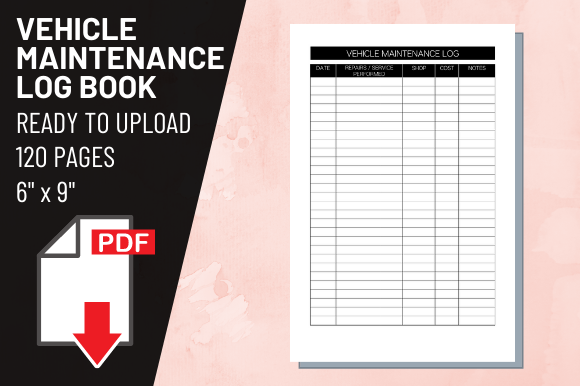
For self-publishers and digital product creators, the efficiency of asset creation often dictates profitability. The KDP Interior Vehicle Maintenance Log serves as a specialized, pre-formatted solution designed to eliminate the repetitive design phase of low-content book publishing. This 6″ x 9″ interior template provides a structured framework for tracking automotive service history, oil changes, tire rotations, and repair logs. Rather than spending hours aligning tables or designing headers in Canva or InDesign, publishers can utilize this ready-to-upload PDF to focus on keyword research, cover design, and marketing strategy. The file is engineered specifically for Amazon’s print specifications, ensuring a seamless transition from digital asset to physical product without technical friction.
Technical Specifications and Print Readiness
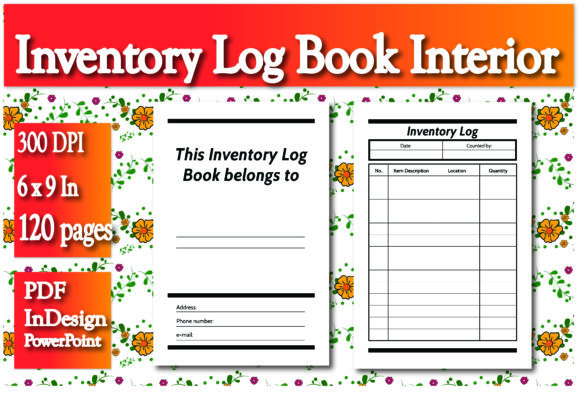
Understanding the technical parameters of this asset is crucial for maintaining quality control across your publishing portfolio. This vehicle maintenance log book KDP interior is built with precise manufacturing constraints in mind. The 6″ x 9″ trim size is the industry standard for portable logbooks, offering enough writing space for users while remaining compact enough for glove compartment storage. The package includes a high-resolution 300 DPI PDF file, which is the minimum threshold required by Amazon KDP to prevent pixelation or blurring in print. Low-resolution files often result in rejected uploads or poor customer reviews due to fuzzy text; this file eliminates that risk entirely.
The document contains 120 pages formatted with no bleed. This distinction is vital for workflow efficiency. A no-bleed interior means all content, including borders and table lines, sits safely within the margin zone. Publishers do not need to adjust gutter settings or worry about critical elements being trimmed during the binding process. This "safe zone" formatting allows for greater consistency when creating series or bundling this logbook with other non-bleed titles. The 120-page count strikes a practical balance, providing sufficient longevity for the end-user (typically covering one to two years of vehicle data) while keeping printing costs low enough to maintain healthy royalty margins at competitive price points.
Integrating the Template into Publishing Workflows
The primary value of this KDP Interior Vehicle Maintenance Log lies in its integration into broader business processes. For entrepreneurs managing multiple niches, time allocation is a finite resource. By utilizing a pre-made interior, you shift your operational focus from production to validation and distribution. Consider the following workflow integration points:
- Niche Validation Phase: Before investing in custom design, use this template to test market demand. Create a listing with a unique cover and relevant keywords to gauge search volume and conversion rates. If the title gains traction, you can later invest in a bespoke interior. If it does not, your sunk cost is minimal.
- Series Expansion: Vehicle maintenance is often part of a larger "automotive organization" niche. This interior pairs logically with mileage logs, fuel trackers, or classic car restoration journals. Using consistent formatting across these titles creates brand cohesion and encourages cross-selling.
- Seasonal Campaigns: Automotive maintenance spikes during specific seasons, such as pre-winter preparation or spring cleaning. Having a ready-made interior allows you to capitalize on these trends quickly. You can design a seasonal cover and publish within days rather than weeks.
This asset also interacts effectively with external tools. While the PDF is upload-ready, many publishers use it as a base layer in software like Affinity Publisher or PowerPoint to add unique branding elements, such as a custom intro page or a personalized logo. Because the core structure is already aligned and paginated, these modifications take minutes rather than hours. This hybrid approach maintains the efficiency of a template while allowing for enough differentiation to avoid duplicate content penalties.
User Experience and Functional Design
A successful logbook must be functional for the end-user. When evaluating or marketing this KDP Interior Vehicle Maintenance Log, consider the practical application of the layout. The 6″ x 9″ form factor dictates specific usability constraints. Tables must be wide enough to write in comfortably but narrow enough to fit the page margins. The 120-page structure typically accommodates recurring service entries alongside summary pages for insurance or resale documentation.
From a creator's perspective, understanding this user experience informs better metadata and description writing. You are not just selling a notebook; you are selling a system for vehicle asset management. The interior supports users before, during, and after maintenance events. Before a service appointment, users can review past entries to identify recurring issues. During maintenance, they record dates, odometer readings, and parts used. Afterward, the log serves as proof of care for warranty claims or vehicle valuation. Highlighting these specific use cases in your product description connects the technical features of the PDF to real-world problems, improving conversion rates through relevance rather than hype.
Quality Control and Pre-Publication Checklist
Even with a professional-grade 300 DPI PDF, rigorous quality control remains essential. Automated tools cannot always predict how a file will render on specific paper types. Before publishing any vehicle maintenance log book KDP interior, implement a verification protocol. Download the KDP Previewer tool and load the PDF to check for margin warnings. Although this file is formatted with no bleed, verifying that the safe zone is respected prevents automated rejection.
Order a physical proof copy whenever possible. Screen resolution differs significantly from ink-on-paper output. Check the line weight of the tables; lines that look crisp on a monitor may appear too faint on standard 55# cream or white paper. Verify that the writing space between rows is adequate for average handwriting. Test the binding lay-flat capability; a logbook that snaps shut when opened is functionally obsolete. These tactile factors directly influence customer satisfaction and review ratings. If you plan to sell digitally as well, ensure the PDF metadata is clean and that the file size is optimized for download without sacrificing print quality.
Strategic Differentiation in a Saturated Market
The vehicle maintenance niche is competitive. Relying solely on a standard interior requires strategic differentiation elsewhere. Since the internal structure is standardized, your competitive advantage must come from positioning. Analyze top-selling competitors to identify gaps. Do existing logs lack space for electric vehicle charging cycles? Are they missing sections for diesel exhaust fluid tracking? Is the font size too small for older demographics?
Use this KDP Interior Vehicle Maintenance Log as a baseline to identify what is missing in the marketplace. Even if you use this exact file, your cover design, title phrasing, and backend keywords can target underserved sub-niches. For example, positioning a generic maintenance log specifically for "RV Owners" or "Fleet Managers" changes the perceived value without altering the interior. This semantic targeting aligns with modern SEO best practices, where relevance to specific user intent outweighs broad keyword matching.
Furthermore, consider the long-term lifecycle of this asset. Trends in vehicle ownership evolve. As cars become more computerized, the definition of "maintenance" shifts. Monitor industry changes to determine when this 120-page template needs updating. Perhaps future versions require digital diagnostic code fields or battery health tracking. Treating this PDF as a living component of your business rather than a static file ensures sustained relevance.
Operational Efficiency and Scalability
For freelancers and small business owners, scalability depends on reducing per-unit production time. This vehicle maintenance log book KDP interior functions as a leveraged asset. Once uploaded and validated, it can be repurposed across multiple international marketplaces with minimal adjustment. The 6″ x 9″ size is universally accepted, and the language-neutral nature of tabular data (dates, numbers, checkboxes) facilitates easy localization. Simply changing the cover language and title allows you to enter German, French, or Spanish markets using the same core PDF file.
This efficiency extends to marketing asset creation. Use screenshots of the interior pages in your Amazon A+ Content to show customers exactly what they are buying. High-quality 300 DPI source files make excellent marketing graphics. Crop specific sections to highlight unique features, such as expense tracking columns or service reminder boxes. Visual confirmation reduces purchase anxiety and returns. By integrating the interior file into both the product creation and marketing phases, you maximize the return on investment for this single digital asset.
Ultimately, the goal is to build a sustainable publishing operation. Tools like this KDP Interior Vehicle Maintenance Log remove technical barriers, allowing creators to focus on business growth. Whether you are a hobbyist documenting your own fleet or an entrepreneur building a passive income stream, the right infrastructure makes the difference between sporadic effort and consistent results. By adhering to technical standards, understanding user needs, and integrating this template into a holistic workflow, you establish a foundation for long-term success in the low-content publishing space.