KDP Interior Fishing Journal: Ready-to-Upload Template
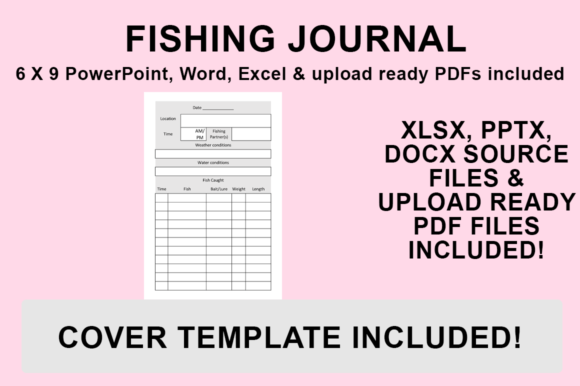
Creating a successful low-content book on Amazon KDP requires more than just a cover; it demands an interior that solves a specific problem for a dedicated niche. The KDP Interior Fishing Journal is designed to bridge the gap between generic notebooks and specialized angling logs. This ready-to-upload resource includes both PDF and PowerPoint files, allowing creators to publish immediately or customize the layout to fit a unique brand identity. For entrepreneurs and designers in the outdoor space, this template offers a structured foundation that respects the technical needs of fishermen while providing the flexibility required for creative product development.
Essential Data Fields for Serious Anglers
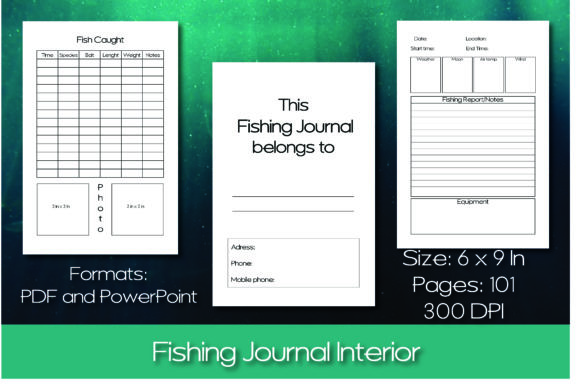
The value of any fishing journal lies in its utility. A blank notebook fails to capture the variables that determine success on the water. This template addresses that gap by including pre-formatted sections for critical environmental data. When adapting this KDP Interior Fishing Journal for your audience, understand that these fields are not arbitrary; they represent the scientific approach modern anglers take toward their sport.
- Environmental Conditions: Dedicated spaces for moon phase, air temperature, wind speed/direction, and barometric pressure allow users to track patterns over time.
- Temporal Tracking: Start and end times help correlate fish activity with specific windows of daylight or tidal shifts.
- Catch Specifics: Detailed tables for species, bait used, length, weight, and time of catch transform subjective memories into actionable data.
- Visual Documentation: Designated photo areas encourage users to document trophies or identify species, adding visual engagement to the log.
For creators, ensuring these fields remain legible and well-spaced is paramount. The included PowerPoint file allows you to adjust column widths or font sizes if you are targeting a specific demographic, such as seniors who prefer larger text or fly fishermen who need additional space for fly pattern sketches.
Customization Strategies for Niche Markets
While the base KDP Interior Fishing Journal is ready for immediate upload, the most successful publishers often adapt templates to serve micro-niches. The provided PowerPoint source file is your primary tool for differentiation. Rather than competing directly with thousands of generic fishing logs, consider how slight modifications can open new revenue streams.
Species-Specific Adaptations
A generalist journal works for casual hobbyists, but dedicated anglers often prefer species-specific logs. You might modify the "Fish Caught" section to focus exclusively on bass, trout, or saltwater game fish. For a bass fishing edition, add fields for water clarity, depth, and structure type. For fly fishing variants, replace standard bait fields with tippet size, fly pattern, and hatch observations. These targeted adjustments signal expertise and relevance to search algorithms and buyers alike.
Regional and Seasonal Variations
Fishing conditions vary drastically by geography. A journal optimized for Florida inshore fishing will differ significantly from one designed for Alaskan salmon runs. Use the editable nature of this template to create regional editions. Include local tide charts, specific regulatory notes, or maps of popular local waters. This localization strategy reduces competition and increases perceived value for customers searching for location-specific resources.
Leveraging the Dual-File Format
Receiving both a print-ready PDF and an editable PowerPoint file provides distinct advantages for different types of users. Understanding when to use each format streamlines your production workflow and enhances quality control.
The PDF File: This is your direct-to-publish asset. It is formatted to standard trim sizes with appropriate bleed and margin settings. If you have validated your niche through keyword research and want to test market demand quickly, upload this file as-is. It ensures professional consistency and eliminates formatting errors that can occur during last-minute edits. This is ideal for marketers testing multiple cover designs against a standardized interior.
The PowerPoint File: This is your creative sandbox. Use it to rebrand the journal entirely. Change color schemes to match seasonal themes, add your logo to the footer, or insert educational content about knot tying or conservation practices. Educators and workshop leaders can repurpose this file to create instructional handouts or guided workbooks for fishing clinics. The ability to manipulate individual elements means you are never locked into a static design.
Design Principles for Functional Interiors
When modifying the KDP Interior Fishing Journal, prioritize function over decoration. Anglers use these books in wet, muddy, and mobile environments. Your design choices should reflect this reality.
- Maintain High Contrast: Avoid light gray lines or low-contrast text. Users may be filling out pages in dim dawn light or under polarized sunglasses. Bold, clear typography ensures readability in field conditions.
- Optimize Writing Space: Resist the urge to fill every inch of the page with graphics. Fishermen need adequate room to write notes with gloved hands or while balancing a rod. White space is functional space.
- Logical Flow: Arrange fields in the order an angler experiences them. Location and weather come first, followed by gear setup, then catch details. Disrupting this natural workflow creates friction and reduces long-term usability.
- Consistent Alignment: Ensure all tables, checkboxes, and lines align perfectly across pages. Misaligned elements look unprofessional and frustrate users trying to scan data vertically. Use grid guides in PowerPoint to maintain precision.
Expanding Beyond the Book
This template serves as more than just a KDP product; it is a versatile asset for broader content strategies. Bloggers and influencers in the outdoor niche can extract individual pages to create printable lead magnets for email list building. Offering a free "Weekend Fishing Tracker" PDF derived from this journal builds trust and drives traffic back to your paid offerings.
Educators and camp counselors can adapt the equipment and observation sections into STEM learning tools. Teaching youth to record weather data and correlate it with biological activity transforms fishing from recreation into ecological science. The structured format provides scaffolding for young learners developing observation and recording skills.
Small business owners, particularly guide services and charter captains, can use customized versions as branded client gifts. Providing guests with a personalized log reinforces the experience and encourages repeat bookings. The "This Fishing Journal Belongs To" page becomes a marketing touchpoint when customized with company contact information and social media handles.
Ensuring Quality and Originality
Because this is a ready-to-upload product, maintaining originality requires intentional effort. Amazon’s algorithms increasingly favor unique content. Simply changing the cover is rarely sufficient for long-term visibility. Treat this KDP Interior Fishing Journal as a starting point rather than a final destination.
Add proprietary value through curated content. Include a reference section on local regulations, a glossary of fishing terms, or monthly maintenance checklists for gear. These additions differentiate your product from identical templates and demonstrate genuine expertise. Review customer feedback on competing products to identify missing features or common complaints, then address those gaps in your version.
Test your modified interiors before publishing. Print sample pages at actual size to verify spacing, line weight, and overall usability. What looks balanced on screen may feel cramped on paper. Physical testing prevents negative reviews related to poor user experience and protects your publisher reputation.
The intersection of practical utility and creative adaptation defines success in the low-content book market. By treating this fishing journal template as a flexible framework rather than a fixed product, you create resources that genuinely serve the angling community while building a sustainable publishing portfolio. Whether you publish immediately or invest time in customization, the key is maintaining respect for the end user’s needs and the specific demands of life on the water.