Lined Journal Decorated KDP Interior: 6x9 Custom Template
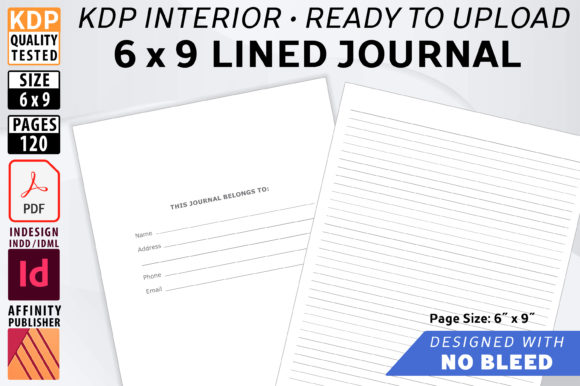
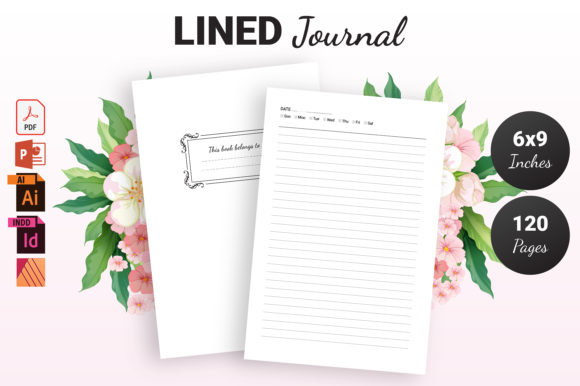
Creating a successful low-content book on Amazon KDP requires more than just uploading a generic PDF. The market for journals is competitive, and readers increasingly seek interiors that offer both functionality and aesthetic appeal. A Lined Journal Decorated KDP Interior bridges the gap between utility and design, providing a structured writing space enhanced with visual elements that encourage consistent use. For publishers and creators, having access to editable source files rather than a static document changes the production workflow entirely. This specific template, featuring 120 pages in a standard 6 x 9 inch trim size with no bleed, offers a practical foundation for building a unique brand asset without starting from scratch.
Accelerating Production with Multi-Format Source Files
The primary advantage of this interior package lies in the inclusion of native source files alongside the print-ready PDF. While many KDP resources only provide flattened documents, this template includes PowerPoint (PPTX), Adobe Illustrator (AI), and Adobe InDesign (INDD) formats. This accessibility significantly reduces the technical barrier to entry for customization.
For marketers or entrepreneurs who may not be proficient in professional layout software, the PowerPoint file serves as an accessible editing environment. You can adjust header text, modify decorative elements, or reposition margins using familiar tools. Conversely, professional designers will appreciate the AI and INDD files, which allow for precise vector manipulation and typography adjustments. This flexibility ensures that the final product aligns with your specific niche requirements, whether you are creating a gratitude journal for wellness coaches or a field notebook for outdoor educators.
Ensuring Technical Compliance with No-Bleed Specifications
One of the most common reasons for KDP rejection or poor print quality is incorrect margin setup. This Lined Journal Decorated KDP Interior is pre-configured for a 6 x 9 inch trim size with no bleed. Understanding this specification is critical for maintaining design integrity. "No bleed" means that all ink must stay within the safe zone, leaving a white border around the edge of the page after trimming.
The template accounts for the necessary gutter margin—the extra space needed on the inner edge where the book binds. With 120 pages, the gutter requirement differs from thinner notebooks. Using a pre-formatted file eliminates the guesswork involved in calculating these safety zones. This prevents decorative headers or footer elements from being cut off during the binding process, ensuring a professional finish that meets reader expectations and platform guidelines.
Elevating User Experience Through Functional Decoration
Purely lined pages can feel sterile, potentially discouraging daily engagement. However, overly complex designs can interfere with writing. The decorated aspect of this interior strikes a balance by incorporating subtle visual cues that frame the content area without reducing usable space. These decorative elements serve a psychological purpose; they signal to the user that the journal is a dedicated space for reflection or planning.
For educators and therapists utilizing journals as tools, these visual anchors can help structure sessions or prompts. The decoration acts as a consistent visual rhythm, making the act of writing feel more intentional. From a commercial perspective, this added value differentiates your listing from thousands of plain lined notebooks. Customers browsing Amazon often look at "Look Inside" previews; seeing a thoughtfully designed interior increases perceived value and conversion rates compared to basic alternatives.
Strategic Customization for Niche Targeting
The ability to edit the source files allows you to tailor the interior to specific audiences, which is essential for long-term KDP success. Generic journals struggle to gain traction, but niche-specific interiors solve real problems. Consider how different professionals might adapt this 120-page template:
- Freelancers and Creatives: Modify the top margin decoration to include space for project codes or client names, transforming a standard journal into a billable hours tracker.
- Educators: Adjust the header design to include fields for lesson dates or subject tags, creating a specialized teaching log.
- Wellness Coaches: Soften the decorative lines or add affirmations to the margins using the Illustrator file to create a mindfulness-focused writing companion.
- Small Business Owners: Incorporate branding elements subtly into the page corners to create branded merchandise or internal team notebooks.
These modifications take minutes when you have the correct source files, yet they fundamentally change the product's market positioning. The 120-page count is also strategically sound; it provides substantial content for three to four months of daily use while keeping printing costs low enough to maintain healthy royalty margins.
Optimizing Workflow Efficiency and Quality Control
Time is a finite resource for independent publishers. Creating a 120-page master document with consistent margins, decorative headers, and proper pagination can consume dozens of hours. Downloading a verified Lined Journal Decorated KDP Interior compresses this timeline into moments. The high-quality print-ready PDF serves as an immediate upload option for those needing speed, while the source files act as an insurance policy for future iterations.
Quality control extends beyond margins. The resolution and line weight of the decorative elements matter. Low-resolution graphics appear pixelated in print, damaging credibility. This template provides vector-based assets in AI and INDD formats, ensuring crisp lines at any scale. When customizing, maintaining this vector quality preserves the professional appearance necessary to compete with traditional publishers. Always verify that any new elements you add match the resolution standards of the base template to avoid degrading the overall print quality.
Navigating Limitations and Fit Considerations
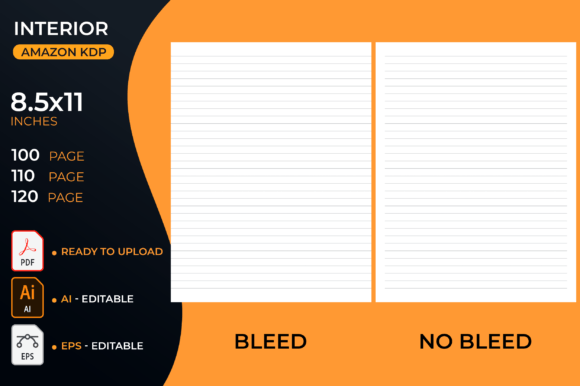
While versatile, this specific configuration is not universally applicable. The 6 x 9 inch no-bleed format is ideal for trade paperbacks and standard journals but unsuitable for workbooks requiring edge-to-edge printing or larger formats like 8.5 x 11 inches. Publishers targeting the coloring book or art journal market should seek full-bleed templates instead.
Additionally, the 120-page length is optimized for personal journals. If your goal is to create a comprehensive planner or academic textbook, you may need to duplicate masters or combine multiple files. Users should also consider their software compatibility. While PPTX offers broad accessibility, complex vector edits require Adobe software or compatible alternatives like Affinity Designer. Assess your technical capabilities before committing to extensive customization. If you lack design skills, sticking to minor text changes in PowerPoint or using the PDF as-is may be the most efficient path.
Building Sustainable Publishing Assets
Treating this template as a foundational asset rather than a disposable product supports long-term business growth. By mastering the INDD or AI files, you develop transferable layout skills applicable to future projects. Each customization teaches you more about KDP specifications, typography hierarchy, and user-centric design.
Furthermore, owning editable files protects you against platform changes. If Amazon updates margin requirements or you decide to expand to other print-on-demand platforms like IngramSpark, having the source file allows for rapid adaptation. You are not locked into a single PDF forever. This adaptability is crucial for publishers managing large catalogs or responding to shifting market trends. The Lined Journal Decorated KDP Interior provides the structural reliability needed for immediate publishing while offering the creative freedom required for sustainable brand development.