Woman Reading: This Book Belongs To Page Designs
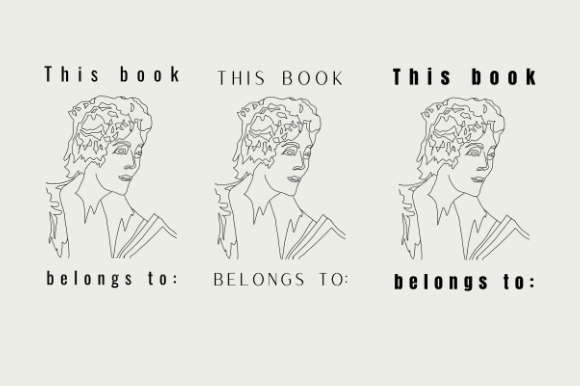
There is a distinct ritual in claiming a new book. Before the first chapter begins, there is that moment of ownership where a reader inscribes their name on the flyleaf, signaling the start of a personal journey. For women who cherish literature, this act is more than administrative; it is an extension of their identity as readers. The Woman Reading - This Book Belongs To digital asset collection captures this sentiment perfectly, offering high-resolution typography and illustration specifically designed to elevate the book ownership experience. Whether you are a publisher creating endpapers, a stationery designer crafting bookmarks, or a book blogger enhancing your visual content, these assets bridge the gap between functional labeling and artistic expression.
This resource provides five distinct font designs formatted as 4800 x 6000 pixel PNG files with transparent backgrounds. This technical specification is crucial for professional application. The vertical aspect ratio mimics the proportions of standard trade paperbacks and hardcovers, while the transparency allows for seamless integration over textured paper backgrounds, colored layouts, or complex digital compositions. Unlike generic clip art, these designs are curated to resonate with adult female readers, balancing elegance with readability.
Creative Applications for Publishers and Designers
For small press publishers and independent authors, the interior design of a book is often an afterthought due to budget constraints. However, the "This Book Belongs To" page is prime real estate for establishing tone before the narrative begins. Using the Woman Reading - This Book Belongs To assets allows indie creators to achieve a traditionally published look without hiring a custom illustrator. Because the files are high-resolution PNGs, they can be placed directly into layout software like Adobe InDesign or Affinity Publisher without loss of quality.
Consider the genre implications when selecting from the five available fonts. A serif-heavy, classic design might suit historical fiction or literary essays, reinforcing a sense of timelessness. Conversely, a cleaner, modern script could align better with contemporary romance or self-help titles. By matching the typography of the ownership page to the book’s cover design and interior headers, you create a cohesive physical product that feels intentional and polished. This attention to detail signals to the reader that the entire reading experience has been curated with care.
Enhancing Digital Content and Social Media
Bookstagrammers, book bloggers, and literary influencers constantly seek fresh visuals to accompany their reviews and reading updates. Static photos of book covers can become repetitive. Incorporating a stylized ownership page offers a unique visual hook. You can overlay the transparent PNG onto a photograph of an open journal, a cozy blanket, or a coffee shop table to create a composite image that evokes the feeling of settling in with a good book.
These assets also serve practical functions in digital marketing. If you run a newsletter or a Patreon for book lovers, use one of these designs as a header for reading challenge sign-ups or book club registration forms. It transforms a standard web form into something that feels tactile and exclusive. For creators selling digital planners or e-reader accessories, these high-quality graphics can be resized to fit tablet screens, allowing users to customize their digital libraries with the same sense of ownership they feel with physical copies.
Product Development for Stationery and Gift Creators
The market for bookish merchandise is saturated, but quality differentiation remains possible through superior design assets. Entrepreneurs and freelancers can utilize the Woman Reading - This Book Belongs To collection to develop proprietary products. Since the files are 4800 x 6000 pixels, they possess sufficient density for print-on-demand services and home printing alike.
- Custom Bookplates: Print these designs on adhesive label paper or matte cardstock to create peel-and-stick bookplates. The transparent background means you can print on cream, ivory, or pastel papers without a white box appearing around the artwork, preserving the illusion of direct printing.
- Bookmark Design: Crop the vertical file to create elegant bookmarks. Pair the illustration with a quote from a public domain classic or leave space for the customer to handwrite their own name, adding value through personalization.
- Journal Endpapers: Notebook creators can use these designs as the first page of reading journals or bullet journals. It immediately contextualizes the notebook as a dedicated space for literary reflection rather than general note-taking.
- Greeting Cards: Adapt the vertical orientation for greeting cards aimed at librarians, teachers, or avid readers. The specific imagery communicates understanding of the recipient's passion far better than generic text.
Educational and Community Uses
Educators, librarians, and literacy program coordinators can leverage these assets to foster a sense of pride in reading among adult learners and community members. In book clubs or literacy circles, providing a beautifully designed ownership page for shared anthologies or loaned copies elevates the perceived value of the material. It treats adult readers with aesthetic respect, acknowledging that their engagement with texts deserves beautiful framing.
For teachers of creative writing or literature, these pages can serve as prompts. Ask students to analyze how different typographic choices influence their perception of ownership and gender. How does a bold, assertive font differ in implication from a delicate, flowing script? This turns a decorative element into a tool for critical thinking about design, gender, and textual authority. The variety in the five-design pack supports this analytical approach by providing immediate comparative examples.
Technical Best Practices for Implementation
To maximize the utility of the Woman Reading - This Book Belongs To zip file, users must handle the assets correctly. While the 4800 x 6000 resolution is generous, maintaining crisp edges requires proper workflow management. Always work in CMYK color mode if your final output is print; convert from RGB only at the final export stage to preserve color accuracy. When placing the transparent PNG over a textured background in design software, experiment with blending modes. "Multiply" or "Overlay" can help the black ink of the typography interact naturally with paper grain, preventing the graphic from looking like a sticker pasted on top of a surface.
Organization is equally important for professionals managing multiple projects. Rename the files upon extraction to reflect their style or intended use case (e.g., "Bookplate_Serif_Classic.png" rather than "design_01.png"). Create a dedicated asset library folder so these resources remain accessible for future campaigns. Consistency in naming conventions saves time during tight production deadlines and ensures team members can locate the correct variation without opening every file to check its appearance.
Balancing Aesthetics with Functionality
While the artistic merit of these designs is significant, their primary function remains communicative. A "This Book Belongs To" page must ultimately be legible and writable. When incorporating these assets into printable products, always test the contrast against your chosen paper stock. Ensure there is adequate negative space within or below the design for handwriting. If the typography is too dense or the illustration too dark, users may struggle to write their names clearly, defeating the purpose of the page.
Consider the ink type your audience will likely use. Ballpoint pens require smoother surfaces and higher contrast, while fountain pens need paper that prevents bleeding. If designing for broad consumer use, opt for the font variations with wider spacing and lighter stroke weights to accommodate various writing instruments. Practical usability ensures that the beautiful design actually gets used rather than admired and skipped. The goal is to facilitate connection between reader and book, not merely to display pretty typography.
Adapting Style for Diverse Audiences
The term "woman reading" encompasses vast diversity in taste, age, and cultural context. The five included designs offer a spectrum, but thoughtful adaptation extends their reach. Marketers and content creators should select the variation that mirrors their specific audience segment. A minimalist sans-serif option appeals to modern professionals and designers who prefer clean aesthetics, while ornate calligraphy resonates with fans of cozy mysteries and vintage romance.
Do not hesitate to modify the assets within licensing terms to better serve niche communities. Adding a subtitle in a second language, incorporating culturally specific motifs via layering, or adjusting color tints to match brand guidelines makes the generic asset specific. Personalization transforms a downloaded file into a bespoke element of your creative ecosystem. Remember that authenticity drives engagement; using these tools to reflect genuine appreciation for women’s literacy creates stronger connections than using them as mere decoration.
Ultimately, the Woman Reading - This Book Belongs To collection is a versatile toolkit for anyone invested in the culture of reading. From enhancing self-published novels to creating sellable stationery and enriching digital content, these high-quality assets solve real design challenges. They provide a professional foundation upon which creators can build unique, meaningful experiences for women who love books. By combining technical quality with thoughtful application, you transform a simple ownership label into a celebration of the enduring relationship between women and the written word.